SEO Is an Ecosystem Now: Why Visibility No Longer Lives Only on Your Website
SEO is no longer only about rankings, pages, and backlinks. Learn why modern visibility now depends on brand mentions, communities, reviews, AI answers, and trusted off-site signals.

SEO used to feel like a website discipline.
You optimized pages. You improved rankings. You built backlinks. You fixed technical issues. You published more content.
That foundation still matters. A technically healthy website with useful content, clear internal linking, relevant backlinks, and strong topical authority is still one of the most valuable digital assets a brand can build.
But the website is no longer the whole game.
Modern SEO has expanded into a broader visibility ecosystem. Today, your brand can be discovered, trusted, compared, mentioned, cited, reviewed, summarized, and recommended across many places that sit outside your own domain.
People now encounter brands through search results, Reddit threads, LinkedIn conversations, YouTube videos, review platforms, podcasts, comparison articles, community forums, newsletters, AI search answers, and autonomous tools that gather information on their behalf.
That shift changes the work.
The question is no longer only, ‘How do we rank this page?’
The better question is, ‘Where is our brand showing up, who is talking about us, and how are we being described across the digital ecosystem?’
The Old SEO Model Was Too Website-Centered
Traditional SEO thinking was built around a fairly neat journey.
A person searches for something. Google returns a list of pages. The best-optimized result earns visibility. The user clicks through. The website converts.
That journey still exists, but it is no longer the only path.
A buyer may first hear about a brand in a LinkedIn post. Then they search the brand name. Then they check reviews. Then they ask an AI tool for recommendations. Then they read a Reddit thread. Then they visit the website.
By the time that person lands on the site, their opinion may already be half-formed.
This is why SEO can no longer be treated only as a publishing function. Writing blog posts, optimizing keywords, and building links remain useful, but they are not enough when buyers and search systems are evaluating your brand through a wider set of public signals.
The brands that are gaining durable visibility are thinking beyond the page. They are asking whether their positioning, proof, reputation, and authority are visible in the places their audience already trusts.
Brand Mentions Are Now Part of the SEO Conversation
One of the most useful ways to understand this shift is through brand mentions.
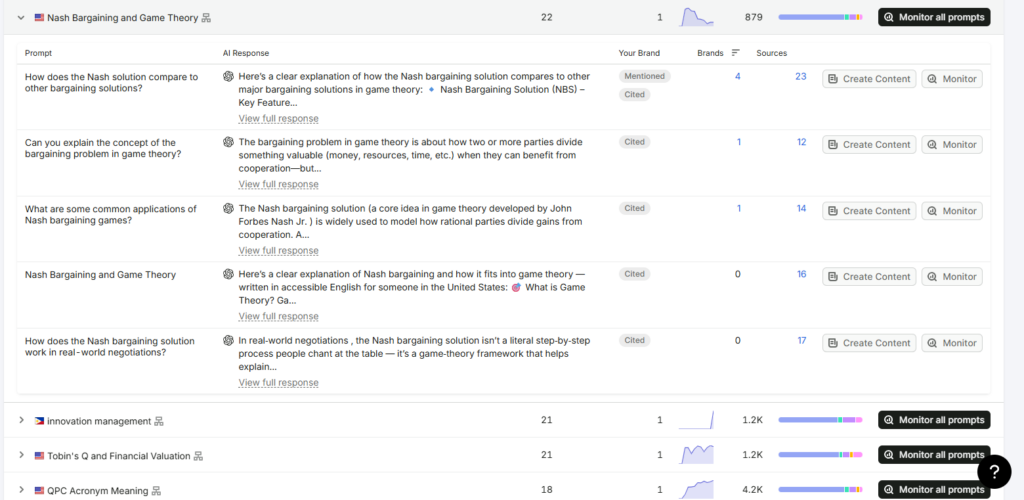
Semrush defines a brand mention as any online reference to your company, product, or service, whether or not that mention links back to your website. That means a mention can appear in a news article, social post, Reddit thread, podcast, review site, forum, blog post, or AI-generated answer.
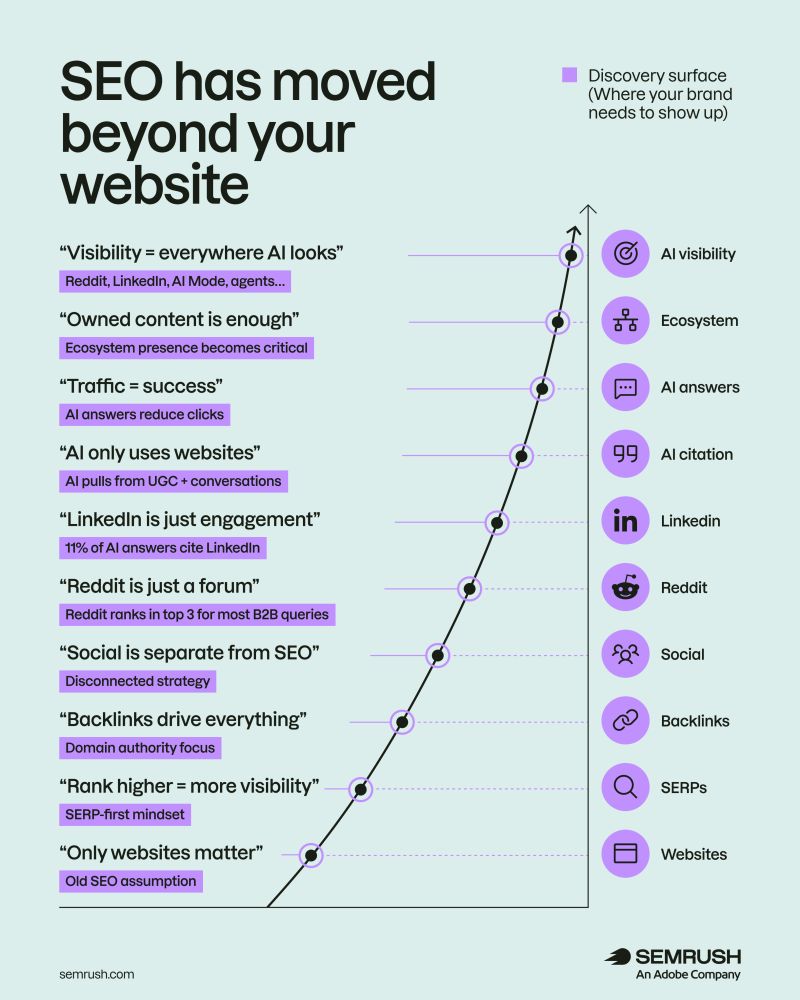
For years, many SEO teams looked at mentions mainly through the lens of backlinks. If a publication mentioned your brand but did not link to your website, the job was to request the link.
That is still a valid opportunity. A linked mention can drive referral traffic and support authority. But the modern visibility value of mentions is bigger than links alone.
An unlinked mention in a respected article, a helpful forum discussion, a strong customer review, or a trusted community recommendation can still shape how people perceive your brand. It can also help search engines and AI systems understand what your brand is associated with.
Not every valuable visibility signal arrives as a hyperlink.
Some signals build awareness. Some build trust. Some clarify your category. Some influence comparisons. Some help AI tools describe your brand more accurately. Some give buyers confidence before they ever visit your website.
This is why brand mentions now belong inside the SEO conversation, not outside it.
Modern SEO Has Moved From Rankings to Representation
Rankings still matter, but they are no longer the full picture.
A brand can rank well and still be weak in the wider discovery environment.
Imagine a tourism business with a decent website. The destination pages rank. The blog content gets some traffic. The technical SEO is clean.
But when a traveler searches beyond the website, the signals are thin. There are few recent reviews. The brand is absent from local travel roundups.
Guest photos are scattered and unmanaged. The business is not appearing in relevant AI answers. Competitors are mentioned more often in destination guides and community discussions.
That business has pages, but it does not yet have strong ecosystem visibility.
Now imagine another tourism brand. Its website is clear and useful, but it is also supported by strong Google reviews, relevant destination mentions, guest-generated content, travel creator visibility, local directory consistency, and practical articles that help visitors make decisions.
That brand has more than search optimization. It has a visible presence that reinforces its credibility from different angles.
This is the real strategic shift: SEO is becoming less about isolated page performance and more about how a brand is represented across the web.
What Representation Means in Search
Representation is about the public picture that forms around your brand.
It includes what your brand is associated with, which problems people connect you to, which competitors you are compared against, which sources mention you, whether those mentions are positive or negative, and whether AI systems describe you accurately.
Your website may say one thing. The wider web may confirm it, weaken it, ignore it, or contradict it.
That matters because buyers and search systems both look for patterns.
If your website says you are a trusted digital strategist, but your off-site presence is thin, the claim has less support.
If your website says your lodge is ideal for high-value safari travelers, but review platforms, local guides, guest content, and travel communities repeat that same story in their own language, the claim becomes more credible.
SEO is no longer only about what you publish. It is also about whether the wider digital environment supports what you publish.
AI Search Has Made the Ecosystem Impossible to Ignore
AI search did not create the need for authority, but it has made the need more visible.
When someone asks an AI system for a recommendation, a comparison, or a short list of options, the answer is not usually built from one optimized landing page. It is influenced by patterns across available sources.
Those sources may include articles, reviews, forums, directories, product pages, comparison content, knowledge bases, and trusted third-party websites.
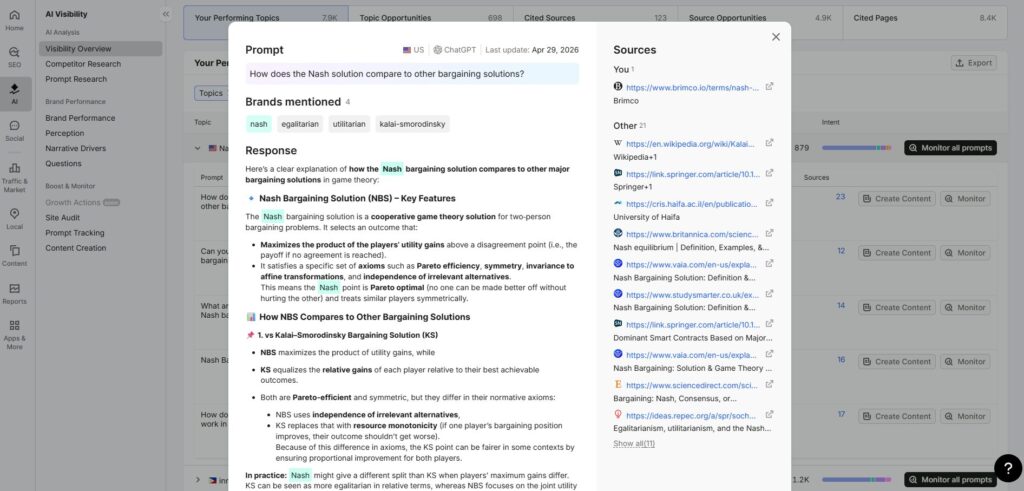
This means brands are now competing to be mentioned, cited, summarized, and accurately represented inside generated answers.
In traditional search, the visibility question was often, ‘Can we rank in the top results?’
In AI search, the question becomes, ‘Are we part of the answer?’
That is a different challenge. It requires strong owned content, but it also requires credible off-site signals. If AI tools are pulling context from third-party sources, then SEO teams need to care about what those sources say.
A brand cannot rely only on its own claims. It needs external evidence that reinforces those claims.
Community Platforms Are Becoming Search Infrastructure
One of the clearest signs of this shift is the growing role of community-driven platforms.
People often want the honest answer behind the polished answer. They want to know what real users, customers, travelers, founders, marketers, or practitioners are saying when they are not writing for a brand website.
That is why Reddit, Quora, LinkedIn, YouTube comments, niche forums, and industry communities have become so influential.
A buyer may search Google and add ‘Reddit’ to the query. A traveler may watch YouTube videos before choosing a destination. A founder may ask LinkedIn for tool recommendations. A marketer may scan community threads before trusting a software review.
These spaces reveal how people naturally talk about brands and categories.
For SEO teams, that language is valuable. It shows the real questions people ask, the objections they have, the comparisons they make, the words they use, and the gaps your website may not be answering.
Community conversations are not background noise. They are research, reputation signal, content input, and visibility opportunity.
The Website Is Still the Home Base
None of this means the website is less important.
Your website is still the home base. It is where you control your message most directly. It is where you publish your strongest content, explain your services, build topical authority, capture leads, support direct bookings, and convert interest into action.
The mistake is expecting the website to carry the entire visibility burden alone.
A strong website should be reinforced by the ecosystem around it. Your service pages explain what you do. Your blog shows how you think. Your reviews prove customer experience. Your LinkedIn content demonstrates your point of view. Your community mentions create social proof. Your backlinks support authority. Your AI mentions show whether the market understands you.
When these signals work together, visibility becomes stronger.
When they contradict each other, visibility becomes fragile.
What SEO Teams Should Track Beyond Rankings
If SEO is now an ecosystem, measurement must expand too.
Rankings, clicks, impressions, conversions, backlinks, and technical health still matter. But they should not be the only items on the dashboard.
Modern SEO teams should also track where the brand appears outside the website and how those appearances shape discovery, trust, and authority.
A Practical Visibility Checklist
- Brand mentions: Where is the brand being mentioned, and are those mentions increasing in relevant places?
- Mention quality: Are mentions coming from trusted sources, active communities, reputable publications, and useful category pages?
- Sentiment and accuracy: Is the brand being described positively and correctly, or are there recurring misunderstandings?
- Community visibility: Is the brand present where the audience asks real questions, compares options, and shares experience?
- Review strength: Do reviews describe the value, use cases, and outcomes the brand wants to be known for?
- AI visibility: Does the brand appear in AI-generated answers for relevant prompts, and is the description accurate?
- Third-party comparisons: Is the brand included in buyer guides, roundups, directories, and category resources that influence decisions?
- Share of voice: Compared to competitors, how often does the brand appear in meaningful conversations across the web?
How to Build an SEO Ecosystem Strategy
The practical question is not whether SEO has changed. It has. The practical question is how to build a strategy that reflects the wider discovery environment.
1. Strengthen the Website Foundation
Start with the basics. Make sure your website is technically healthy, easy to crawl, well-structured, and clear about what your brand does.
Build strong service pages, useful educational content, internal links, schema where appropriate, and pages that answer real buyer questions. Your website should make your expertise obvious to people, search engines, journalists, and AI systems.
2. Map the Places Your Audience Trusts
Do not assume your audience only trusts Google results. Identify where they actually go when making decisions.
For tourism and hospitality brands, this may include Google reviews, Tripadvisor, destination blogs, travel creators, booking platforms, local guides, and social media content from real guests.
For B2B brands, it may include software review sites, comparison pages, LinkedIn discussions, analyst reports, podcasts, and industry newsletters.
SEO strategy should be shaped by the real discovery behavior of the audience.
3. Audit How Your Brand Is Described
Search your brand name. Search your category. Search comparison terms. Search problem-based questions. Search with modifiers like ‘best,’ ‘reviews,’ ‘alternative,’ ‘recommended,’ and ‘near me.’
Then look beyond your own website.
- Which sources appear?
- Are you mentioned?
- Are competitors mentioned?
- Is the information accurate?
- Does the language match your positioning?
- Are there gaps you need to close?
- Are there unlinked mentions worth turning into backlinks?
4. Track AI Visibility With Real Prompts
Choose five to ten prompts your audience might ask an AI tool. These should include recommendation prompts, comparison prompts, problem-solving prompts, and category prompts.
Then record whether your brand appears, how it is described, which competitors are mentioned, and whether the answer cites or appears to rely on sources you can strengthen.
This does not have to be complicated at first. A simple spreadsheet can reveal patterns. Over time, more advanced tools can help monitor AI mentions, prompt visibility, and competitor gaps at scale.
5. Create Content Worth Referencing
If you want to be mentioned, cited, and discussed, you need to publish assets that give people a reason to reference you.
Generic content rarely earns meaningful mentions. Stronger assets include original research, practical frameworks, detailed guides, useful data, comparison resources, expert commentary, templates, and truthful case studies where available.
The goal is not simply to publish more. The goal is to publish material that helps your own audience and gives other people useful language, data, or insight to cite.
6. Participate Where the Conversation Already Exists
Brands often want visibility without participation. Communities do not work that way.
If your audience is discussing problems in public spaces, contribute with usefulness before promotion. Answer questions. Clarify misconceptions. Share practical context. Point people to resources only when those resources genuinely help.
Forced promotion damages trust. Useful participation builds it.
7. Turn Mentions Into Momentum
Mentions are not only outcomes. They are feedback.
A positive review can become social proof. A podcast mention can become a content asset. An unlinked article mention can become a backlink opportunity.
A community question can become a blog post. A recurring objection can become a better landing page section. An AI answer that describes you poorly can show where your public signals need strengthening.
Every mention is a clue about how the market is interpreting your brand.
What This Means for Content Strategy
A content strategy built for ecosystem SEO is different from a content strategy built only for rankings.
It still includes keyword research, topic clusters, pillar pages, internal links, and technical optimization. But it also asks how content can support wider visibility.
Can this article become a reference?
Can this guide answer a question that keeps appearing in communities?
Can this data point earn mentions?
Can this framework help AI systems connect the brand with the right category?
Can this page support a stronger explanation on a third-party platform?
The best content does not sit quietly on a website. It feeds the ecosystem and gives sales teams better explanations. Adds some strong ideas to social teams. It gives PR teams clearer angles. It also gives customers better language for their reviews.
It gives AI systems clearer public evidence. It gives search engines more confidence about what the brand is and why it matters.
The Brands That Win Will Be Easier to Understand
The next phase of SEO will reward brands that are not only optimized but also understandable.
That means clear positioning, consistent language, useful content, credible mentions, healthy reviews, relevant backlinks, community presence, and accurate AI representation.
Search engines and AI systems are trying to understand entities, relationships, credibility, and usefulness. Buyers are doing the same thing more humanely.
They are asking: Who is this brand? Can I trust them? Are they relevant to my problem? Do other people mention them? What do reviews say? How do they compare? Are they present in the places I trust?
That is why SEO is now an ecosystem.
Your website tells one part of the story. The wider web confirms, challenges, expands, or weakens that story.
Conclusion: From Optimized Pages to Trusted Presence
Modern SEO is no longer only about publishing pages and building backlinks.
It is about building a trusted presence across the places people, platforms, and AI systems use to form answers and recommendations.
That does not make traditional SEO less important. It makes traditional SEO part of a bigger system.
A strong SEO strategy now asks whether people can find you, whether search engines can understand you, whether AI systems can describe you accurately, whether third-party sources can validate you, and whether communities can recognize your value.
SEO has become an ecosystem because discovery has.
The brands that understand this early will have an advantage. Not because they chase every new platform, but because they build visibility in a more complete, connected, and durable way.
Frequently Asked Questions
Why is SEO considered an ecosystem now?
Because search visibility is now shaped by more than website rankings. Brand mentions, reviews, communities, social platforms, backlinks, AI answers, and third-party sources all influence how people and search systems discover and evaluate a brand.
Do backlinks still matter in modern SEO?
Yes. Backlinks still support authority and referral traffic. The shift is that backlinks are now one part of a wider visibility system that also includes unlinked mentions, reviews, community conversations, and AI search visibility.
What are brand mentions in SEO?
Brand mentions are online references to a company, product, or service. They can be linked or unlinked and may appear in articles, social posts, forums, podcasts, review platforms, and AI-generated answers.
How can a brand improve AI search visibility?
A brand can improve AI search visibility by strengthening its website content, earning credible third-party mentions, building consistent reviews, appearing in relevant comparison content, and monitoring how AI tools describe the brand for important prompts.